

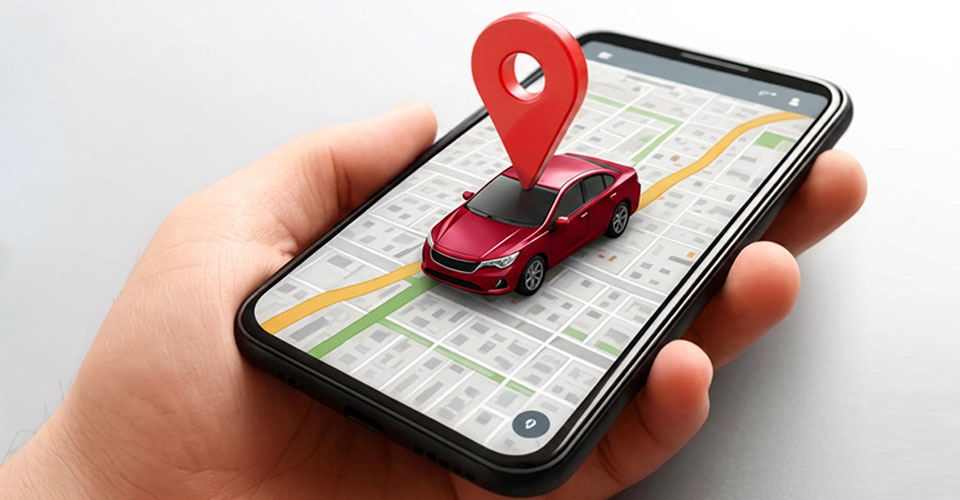
GPS tracking isn't just for big enterprise fleets anymore. In 2026, it's a standard tool used by logistics companies, school transport operators, construction businesses, individual vehicle owners, and pretty much everyone in between. The hardware is cheaper, the software is more capable, and the business case is more straightforward than ever.
If you're still on the fence about putting GPS tracking on your vehicles or assets, here's a clear look at what the technology actually delivers.
Real-Time Location Visibility
The most immediate benefit of a GPS tracking device is knowing where your vehicles are at any given moment. Live location data on a map, updated at short intervals, gives fleet managers the situational awareness to respond quickly to delays, route deviations, and customer queries.
For businesses that handle time-sensitive deliveries or passenger transport, this visibility directly improves service reliability. For individual vehicle owners, it provides peace of mind that their vehicle is where it should be.
Theft Protection and Vehicle Recovery
Vehicle theft is a significant risk for both personal and commercial vehicles. A GPS tracker provides a critical layer of protection by enabling real-time location monitoring and instant alerts the moment a vehicle moves without authorisation.
Vehicle immobilisers, which can be integrated with GPS devices, allow owners or fleet managers to remotely cut the engine in the event of theft. This capability substantially improves the chances of vehicle recovery and acts as a deterrent in itself.
Fuel Cost Reduction
Fuel is consistently one of the biggest operating costs for any fleet. GPS tracking helps cut fuel spending in two clear ways.
First, route optimization makes sure drivers take the most efficient path to their destination, which cuts down on unnecessary miles. Second, idle time monitoring identifies vehicles that are sitting with the engine running while parked, a surprisingly big source of wasted fuel in many fleets.
When GPS data is combined with fuel sensors, fleet managers get an even more detailed picture, including fill ups, fuel used per trip, and anything unusual that might point to fuel theft or a leak.
Driver Accountability and Behaviour Improvement
GPS tracking records how vehicles are being driven, not just where they are going. Speed, route adherence, unscheduled stops, and driving hours are all captured and available for review.
This data creates a natural layer of accountability. Drivers who know their trips are being logged tend to drive more responsibly, which reduces wear on vehicles, lowers accident risk, and improves overall fleet discipline. Combined with driver behaviour analytics, GPS tracking becomes the foundation of a data-driven fleet safety programme.
Compliance and Regulatory Support
In India, AIS 140 certification is a mandatory requirement for commercial vehicles under MoRTH regulations. GPS tracking devices that meet this standard help fleet operators stay compliant and avoid penalties.
Beyond regulatory compliance, GPS data supports internal requirements like delivery confirmations, driver hour logging, geofence based zone management, and trip documentation for audits. As compliance requirements across the logistics and transport sector continue to grow, having reliable GPS records becomes more and more important.
Smarter Maintenance Planning
GPS devices track engine hours, ignition cycles, and mileage continuously. This data feeds directly into maintenance scheduling, allowing fleet managers to plan servicing based on actual usage rather than fixed calendar intervals.
Predictive maintenance reduces the risk of unplanned breakdowns, extends vehicle lifespan, and keeps vehicles on the road rather than in the workshop. For large fleets, the reduction in unplanned downtime alone justifies the investment.
The Bottom Line
GPS tracking delivers value across safety, cost, compliance, and operational control. In 2026, with cloud platforms and AI-powered analytics available at accessible price points, there is no fleet or vehicle type that does not benefit from the technology.
The question is no longer whether to deploy GPS tracking. It is how quickly you can get it working for your operations.
Dartlane Telematics delivers end-to-end telematics solutions for fleets, assets, and mobility businesses. Explore our GPS tracking, fleet management, and IoT sensor solutions.