

For fleet operators, drivers are both the most valuable asset and the most significant variable in operational risk. A single accident can result in vehicle downtime, insurance claims, cargo damage, regulatory scrutiny, and reputational harm. Yet most fleets still manage driver performance through periodic reviews, verbal feedback, and incident reports filed after something has already gone wrong.
Driver behavior monitoring changes just about everything. Instead of putting out fires after accidents happen, fleet managers can spot risky patterns early, before they lead to a crash, and build a safety culture backed by real data across the entire fleet.
What is Driver Behaviour Monitoring?
Driver behaviour monitoring is a telematics-based system that tracks how a vehicle is being driven in real time. A GPS device or dashcam installed in the vehicle records specific driving events and transmits that data to a fleet management platform.
The system monitors parameters including speeding, harsh braking, rapid acceleration, sharp cornering, excessive idling, and in more advanced deployments, driver fatigue and mobile phone use through AI-powered dashcams.
Each driver receives a score based on their performance across these metrics. Fleet managers can view individual scores, compare drivers across the fleet, and track improvement or deterioration over time.
How It Reduces Accidents
We know aggressive driving is directly linked to higher accident risk. More importantly, speeding cuts down reaction time. Hard braking usually means following too close. Sharp cornering makes rollovers more likely in heavy vehicles. And these aren't one off events, they're patterns. The good news is patterns can be spotted and fixed before they turn into a collision.
Driver behaviour monitoring creates three layers of accident prevention.
Real-time in-cab alerts notify the driver the moment a risky event is detected an audible buzzer for speeding or harsh braking gives immediate feedback that changes behaviour on the road, not in a meeting room the following week.
Driver scoring and reports give fleet managers objective data to work with during performance reviews. Conversations about driving standards move from subjective to evidence-based, which makes coaching more effective and reduces pushback from drivers.
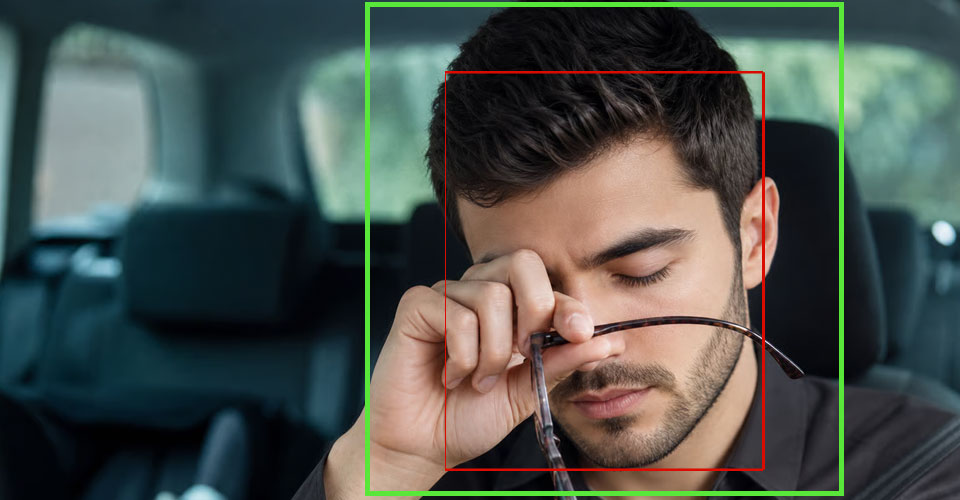
Video telematics integration adds a visual layer. AI dashcams that connect with driver behavior systems can capture footage of specific events like fatigue, distraction, or phone use, and automatically flag those clips for manager review. This is especially valuable for long haul drivers and school bus operators, where staying focused is absolutely critical.
How It Cuts Fleet Costs
The safety benefits of driver behaviour monitoring have a direct financial dimension that fleet operators often underestimate.
Fuel savings are among the most immediate returns. Aggressive acceleration and hard braking are among the biggest contributors to excess fuel consumption. Fleets that actively coach drivers on smoother driving patterns consistently report measurable reductions in fuel spend across the fleet.
Reduced vehicle wear follows from the same logic. Harsh driving accelerates tyre wear, brake pad degradation, and suspension stress. Lower maintenance frequency and fewer unplanned repairs reduce both direct costs and vehicle downtime.
Insurance premiums are increasingly tied to telematics data. Usage-based insurance (UBI) programmes reward fleets that can demonstrate lower-risk driving patterns with better premium rates. Driver behaviour data provides exactly the evidence insurers need to assess fleet risk accurately.
Accident-related costs, repairs, third-party claims, legal liability, and lost operational days are reduced when the frequency and severity of incidents go down. For large fleets, even a modest reduction in accident rate represents significant annual savings.
Building a Safety Culture, Not Just a Monitoring System
The fleets that get the most out of driver behavior monitoring treat it as a coaching tool, not a surveillance system. Sharing scores with drivers, recognizing improvement, and using data to guide training creates an environment where safety becomes a shared standard, not something forced from the top down.
When drivers understand the data is there to support them, not punish them, adoption goes up and the behavior change actually sticks.
Dartlane Telematics delivers end-to-end telematics solutions for fleets, assets, and mobility businesses. Explore our GPS tracking, fleet management, and IoT sensor solutions.