

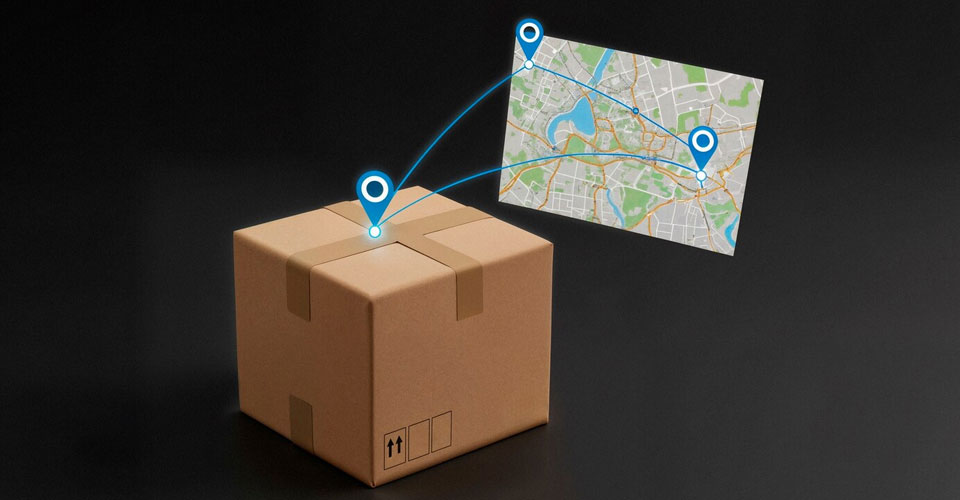
Businesses put a lot of money into physical assets like vehicles, machinery, containers, generators, and equipment. But for many organizations, the ability to track those assets stops the moment they leave the depot or get sent out to a job site. Asset tracking solves that problem by keeping businesses connected to their physical property, no matter where it is, what condition it's in, or how long it's been sitting still.
This guide walks you through what asset tracking is, how the technology works, and the real benefits it delivers for businesses across different industries.
What is Asset Tracking?
Asset tracking is the process of monitoring the real time location, movement, and condition of physical assets using GPS devices, IoT sensors, and cloud based software. Unlike vehicle tracking, which focuses specifically on moving fleet vehicles, asset tracking covers a much broader range of property, including assets that don't move often or stay put for long periods.
Common examples include trailers, shipping containers, construction equipment, generators, fuel tanks, agricultural machinery, and high value inventory stored in warehouses or spread out across field sites.
The key feature of asset tracking is that it gives you continuous visibility without anyone having to check on things manually. The asset reports its own location and status automatically, either at set intervals or whenever something triggers an update.
How Does Asset Tracking Work?
An asset tracking system has three core components.
The tracking device is attached to the asset. Depending on the asset type and use case, this could be a hardwired GPS tracker, a wireless battery-powered device, a solar-powered unit for outdoor assets, or a Bluetooth beacon for indoor environments. The device records location data and, in more advanced configurations, sensor data such as temperature, tilt, vibration, or door status.
The communication network transmits data from the device to the cloud. Most outdoor asset trackers use cellular networks (4G or 2G with low-power fallback). Indoor tracking relies on Bluetooth Low Energy (BLE) or Wi-Fi positioning. Satellite connectivity is used in remote locations where cellular coverage is unavailable.
The software platform receives, stores, and displays the data. Fleet managers and operations teams access this through a web dashboard or mobile app, where they can view asset locations on a live map, set geofence boundaries, review movement history, and configure alerts for specific events.
The Purpose of Asset Tracking
The core purpose is operational visibility. Businesses that manage large numbers of physical assets across multiple locations face a consistent challenge: they cannot always know where an asset is, whether it is being used, or whether it is in the right condition.
Asset tracking answers those questions continuously and automatically, replacing manual checks, phone calls, and spreadsheet logs with live data that's always up to date.
Beyond location, asset tracking supports utilisation analysis, which helps businesses understand whether assets are being used efficiently or sitting idle, and condition monitoring, which provides early warning of issues such as temperature breaches in cold chain cargo or abnormal tilt in a tanker vehicle.
Key Benefits of Asset Tracking
Theft prevention and recovery. GPS-enabled trackers with geofence alerts notify operators immediately if an asset moves outside an authorised zone. Tamper detection adds a further layer of protection for high-value equipment on unsecured sites.
Reduced asset loss. Businesses that track assets consistently report lower rates of misplacement and loss. Knowing where every asset is eliminates the operational cost of searching for or replacing missing equipment.
Better utilisation and planning. Utilisation data shows which assets are working and which are sitting idle. This information helps businesses deploy assets more efficiently, avoid unnecessary purchases, and make informed decisions about fleet expansion or disposal.
Improved maintenance scheduling. Usage-based maintenance triggered by engine hours or operational cycles keeps assets in working condition and reduces unplanned downtime.
Compliance and audit support. Movement logs, geofence records, and condition data provide a verifiable audit trail for regulatory compliance, insurance documentation, and contractual reporting.
Who Uses Asset Tracking?
Asset tracking is used across logistics, construction, agriculture, cold chain, oil and gas, healthcare, and enterprise facilities management. Any business that owns, leases, or manages physical assets that move or need to be accounted for across locations stands to benefit from the technology.
Dartlane Telematics delivers end-to-end telematics solutions for fleets, assets, and mobility businesses. Explore our GPS tracking, fleet management, and IoT sensor solutions.